The HGV industry has been at the forefront of the movement of goods and commodities across the UK and Europe for decades. This article looks at two key types of journey known as HGV trunking and HGV tramping in the UK.
The movement of goods
According to the Department for Transport 81% of all goods were transported around the UK by road in 2019. This equates to 1.44 billion tonnes and an increase of 2% on the previous year. This took place over a staggering 19.1 billion vehicle kilometres.
The majority of these journeys fall in to two key journey types recognised within the HGV industry: HGV trunking and HGV tramping. But what are these and how do they differ?
So what is HGV tramping?
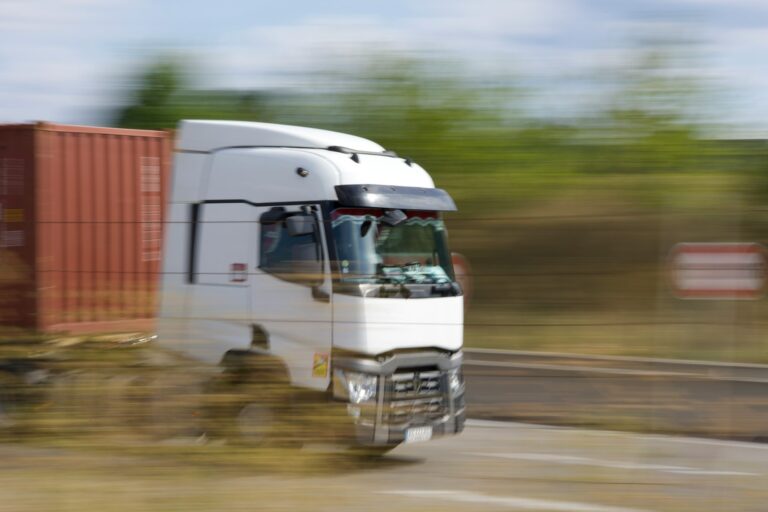
HGV tramping is the commonly used term for the practice of making long-distance deliveries which may well take place over a number of days.
These deliveries may require a journey to take several days and longer where European travel is involved. In these instances, the driver will often sleep in the lorry cab. HGV tramping jobs tend to mean that a driver will actually live in their vehicle and be away from their home for extended periods of time. These journeys involve very high mileage and can make for a rather solitary lifestyle.
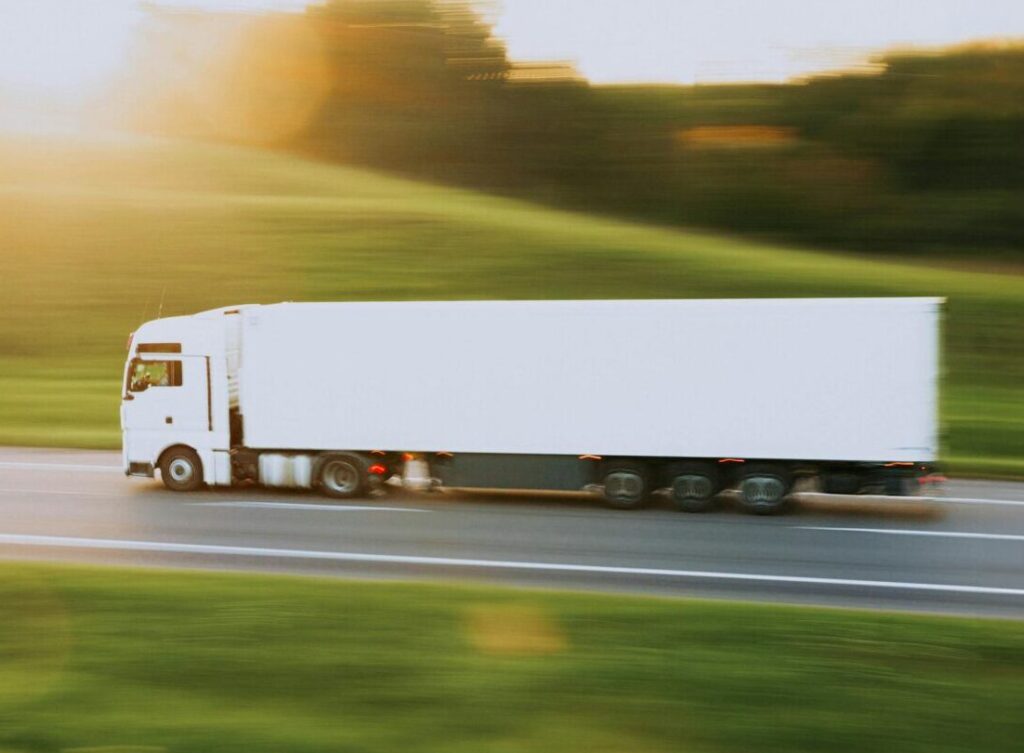
In general, HGV tramping journeys across the UK and Europe tend to be fulfilled by articulated lorries, which can have a gross vehicle weight of up to 44 tonnes. These vehicles are longer, larger and heavier and can therefore carry more freight.
And what about HGV trunking?
Where a driver uses the same route to make deliveries regularly it is referred to within the industry as HGV trunking. The name is taken from the fact that most journeys are made on trunk roads such as motorways and dual carriageways.
Typical characteristics of an HGV trunking journey can include multi drop or single drop, long and short haul and night driving. These journeys generally take place daily rather than involving an overnight stay and tend to be made between the same locations.
Rigid vehicles are more suited to trunking jobs, which may include multi-drop courier-style delivery journeys.
In many cases trunking journeys will use a relay of drivers with onward destinations of goods which can affect shift patterns.
Volume of freight
The DfT reported that in 2024 1.59 billion tonnes of goods were lifted in the UK by GB-registered heavy goods vehicles (HGVs) an increase of 2% compared to 2023 (1.55 billion tonnes).
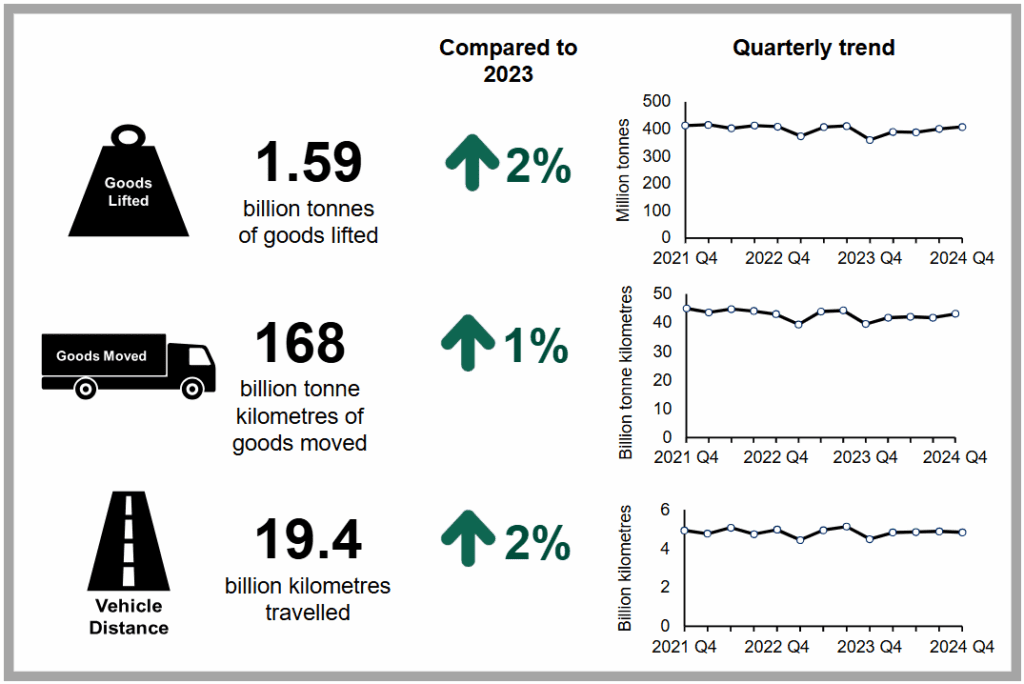
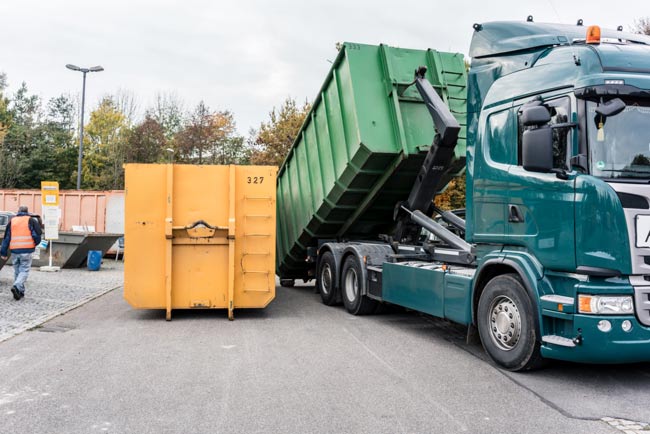
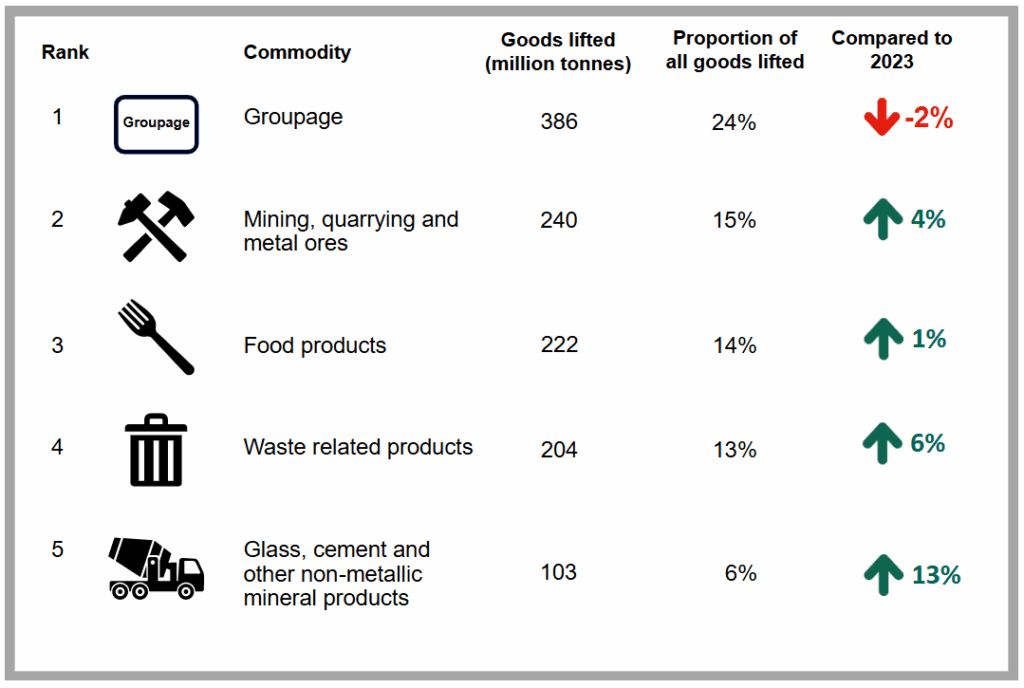
Waste related products accounted for 13% of all goods carried on UK roads. This equated to 204 million tonnes, an increase of 6% on the previous year.
HGV freight types
There are many different types of HGV which are used for a wide variety of job types, particularly when it comes to trunking journeys.
In 2024 the top five commodity types transported by HGVs registered in the UK were:
MHF (UK) Ltd is proud to supply HGVs to the waste management sector and recognise the importance of our role in the transportation of waste related products around the UK. The waste management sector continues to grow and the demand for well-maintained waste management vehicles in turn is strong.
Search our stock of HGVs
The state of the HGV industry
The HGV industry has seen a shortage of drivers both in the UK and in Europe in recent years but it is not known whether this shortage is in the tramping or trunking sectors –drivers of rigid or articulated vehicles, multi-drop, day or night drivers (typically trunking jobs) or long-distance articulated HGV drivers (trampers) who are away from home for extended periods.
Working conditions and the demands of the job for trampers can be off-putting to many. Certainly, the implications for the family of a tramper driver are that a partner can run the home and family commitments whilst the driver is away.
Trampers may also come from an older demographic, whose family has flown the nest or are possibly divorced. However the nature of the job does appeal to some, especially those who enjoy travelling around the continent – the call of the open road is powerful to those seeking European HGV tramping jobs.
More attractive to younger distribution drivers is a job driving in a trunking role which enables them to be home every night and able to contribute more to family and home commitments.
In recent years the industry has seen a decline in the number of pan-European trunking journeys, primarily led by the high cost of fuel prices in the UK. A more common practice nowadays is the onward transportation of goods from the UK by European drivers as the cost of fuel is much cheaper on the continent.
Whatever the type of HGV journey a driver follows as a career, those journeys must be successfully fulfilled whilst ensuring that the strict regulations contained within the driver hours and working time directives are adhered to.
Frequently Asked Questions
What is HGV trunking?
HGV trunking refers to where an HGV driver regularly uses the same route to make daily journeys or deliveries.
Is HGV tramping different to HGV trunking?
Yes, HGV tramping refers to journeys made by HGV drivers that take several days and which may also involve European travel.
What are the most common freight types transported by HGVs around the UK?
The top five most commonly transported freight types are Groupage (goods from multiple suppliers grouped in to the same load), mining, quarry and metal ores, food products, waste related products and glass, cement and other non-metallic mineral products.